Holiday Shopping Scams in 2026: What's New and How to Avoid Them

About 1 in 6 US adults say they have been scammed while holiday shopping online, according to Norton's 2026 holiday survey. The holidays put shoppers in a hurry—with shipping deadlines and gatherings closing in, it's easy to miss details you would normally catch, and scammers plan around that rush.
Holiday shopping scams are not new, but they change every year as the technology behind them improves. In 2026, better AI models have made it even harder to tell a scam from the real thing. For example, AI now writes the product pages, generates the reviews and produces the ads, so the old warning signs, such as typos and clumsy design, are mostly gone.
This guide covers the common holiday shopping scams to watch for this season, how to check whether a store or message is real, and how the card you pay with can limit the damage if something slips through.
What's different about holiday shopping scams in 2026
What sets 2026 holiday scams apart is how many fake stores there are and how real they look. Generative AI lets one person launch hundreds of convincing stores, and those stores reach shoppers through paid ads on platforms people trust.
Scamwise's 2026 holiday report found a new fake store reported roughly every three minutes. Most used AI-generated content, and most were gone within 90 days. That short life span matters because, by the time reviews warning about a store appear, it has often been replaced by another with a new name and look.
Many of these fake stores find their customers through social media ads. In FTC data published in April 2026, shopping scams were the most reported type of scam starting on social media, and more than 40% of people who lost money to a social media scam had ordered something from an ad.
A professional-looking website, a well-placed ad, and glowing reviews can all be manufactured. Knowing how these scams work can help you spot them before you make a purchase.
6 holiday shopping scams to watch for in 2026
Here are six scams that consumer agencies and security researchers are warning about this season, and how to prepare yourself for each:
1. Fake stores promoted through real ads
When an ad shows up in your social feed or at the top of your search results, it's natural to assume someone checked the business behind it. Scammers buy the same ad space real retailers do, so where an ad appears says nothing about the store behind it. Some ads use AI-generated video of celebrities or familiar creators endorsing the deal, which makes an unfamiliar brand feel trustworthy.

The FTC calls these shopping scams. The store takes your payment and sends nothing, or a cheap knockoff, and it now has your card details.
If an ad catches your attention:
- Don't click it. Instead, go to the retailer's site yourself, by typing the address or searching for the retailer by name.
- Look for the same deal there; a real promotion will be displayed on the retailer's own site.
If a deal exists only in the ad, skip it. Going direct also keeps your click out of the ad network's tracking.
2. Fake stores built on trusted platforms
A checkout page you recognize can make an unfamiliar store feel safe. Scamwise found that more than half of the fake stores reported to it were built on established ecommerce platforms such as Shopify, so they have the same polished storefront and checkout flow as real retailers. The platform tells you what software a store runs on, not who runs it.
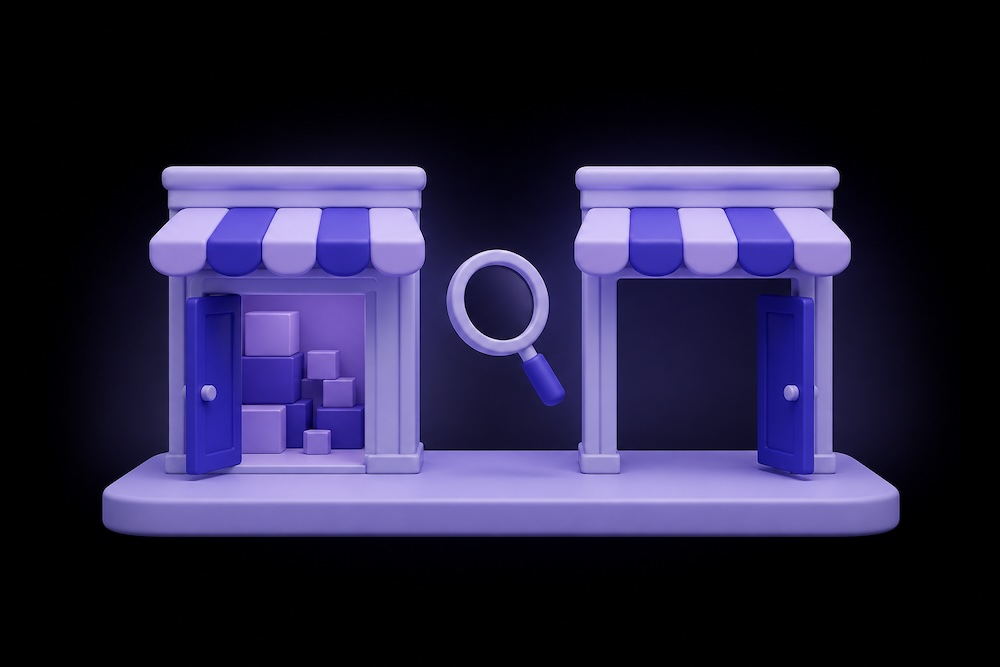
Before buying from a store that's new to you:
- Search the store's name with "reviews" or "scam."
- Compare the price with a retailer you know; most fake stores in Scamwise's data advertised unrealistically deep discounts.
- Look for a physical address, a working contact method and a return policy.
- Check the site's age with a free domain lookup such as lookup.icann.org. A store claiming years in business on a domain registered last month is a warning sign. (This check won't work if the store's address ends in myshopify.com, because the lookup shows Shopify's own domain, so rely on the other checks there.)
A familiar checkout page is not proof of a legitimate business. Our guide to online shopping scams covers more signs of a fake shopping website.
3. Scam stores recommended by AI shopping assistants
When you ask an AI assistant for gift ideas or a cheaper alternative, it's easy to assume the stores it suggests are legitimate, which may not be the case. AI shopping assistants can surface scam stores alongside real ones. Norton's 2026 holiday report describes one case: a shopper asked an AI assistant for affordable alternatives to a designer leather jacket, and one of the results was a $279 jacket from a fraudulent store, shown next to legitimate retailers with no warning.

This happens because an assistant summarizes what it finds on the web, and fake stores are built to look credible to that kind of reading. The assistant has no reliable way to tell a fake store from a real one.
Before you buy from a store an AI assistant suggests:
- Run the store checks above on any store you don't recognize.
- If your assistant can complete purchases, keep purchase approval turned on.
- Limit how much the payment method it uses can spend.
Treat an AI recommendation as a starting point. The assistant found the store, and checking it is still up to you.
4. Fake delivery and order texts
Most people are expecting a package in December, so a fake delivery message is easy to mistake for a real one. Often, the text or email says a delivery failed, an address needs confirming or a small redelivery fee is due, then links to a page that collects card details.

These messages usually pretend to come from a name you know. Malwarebytes' 2026 holiday report lists Amazon as the most impersonated retailer and USPS, FedEx and DHL as the most impersonated carriers.
This type of scam is called phishing, or smishing when it arrives by text. The goal is to get your card number or account login, which scammers then use to make purchases or sell to other criminals. Phishing is the most reported cybercrime in the FBI's 2025 Internet Crime Report.
To check whether a message is real:
- Don't tap the link. Instead, open the retailer's app or your original confirmation email and check the order there.
- Type the tracking number into the carrier's website yourself.
- Treat any request for a redelivery fee or your card details as a scam.
- Forward the text to 7726 (SPAM) to report it to your mobile carrier.
Some of these messages also include your real order details. After breaches of retailers' and shipping partners' order records, scammers have contacted customers quoting their actual name, address and purchase. Accurate details do not prove who is contacting you. As a best practice, never give a card number, security code or one-time code to someone who reached out first.
5. Deep discounts on sold-out gifts
When a toy, console or designer item is sold out at every major retailer, it's tempting to jump on the one store that still has it, especially at a discount. Scammers set up listings for whatever is hardest to find that year, knowing shoppers are short on time and options.

This is known as a non-delivery scam. The seller takes your payment and sends a counterfeit or nothing at all, and may keep your card details to use later. Lookalike sellers of in-demand gifts are on the Better Business Bureau's annual list of holiday scams.
Before you buy a hard-to-find gift:
- Buy from the brand or one of its authorized retailers.
- If you see a sold-out item in a social media ad, don't check out from the ad. Search for it on the brand's own site. If the brand shows it as sold out, treat a discounted listing elsewhere as fake.
- Walk away from any seller who asks for payment by gift card, wire transfer, crypto or a payment app. Those payment types are difficult to reverse and are often a telltale sign of a scam.
A sold-out gift at a steep discount is a warning sign. If the price only makes sense because you're in a hurry, wait and check the seller first.
6. Fake charities
Many people give in December, whether it's a planned year-end donation or a response to an appeal they just saw. Scammers take advantage of that generosity by setting up fake charities, or copying the name and look of real ones, and pushing you to donate on the spot.

This type of scam is known as charity fraud. The money goes to the scammer instead of the cause, and the payment details you entered can be used again. Fake charities are on the BBB's holiday list as well.
Before you donate:
- Look up the organization at Give.org or the IRS Tax Exempt Organization Search.
- Check the exact name and web address. Fake charities often use a name that is one word off from a well-known one.
- Go to the charity's own website yourself and donate there, not through a link in a message or post.
- Don't donate by gift card, wire transfer or crypto.
A legitimate charity will accept your donation tomorrow as readily as today. If an appeal says you have to give right now, take the time to check it first.
Holiday scam warning signs at a glance
Use virtual cards to limit the damage from holiday shopping scams
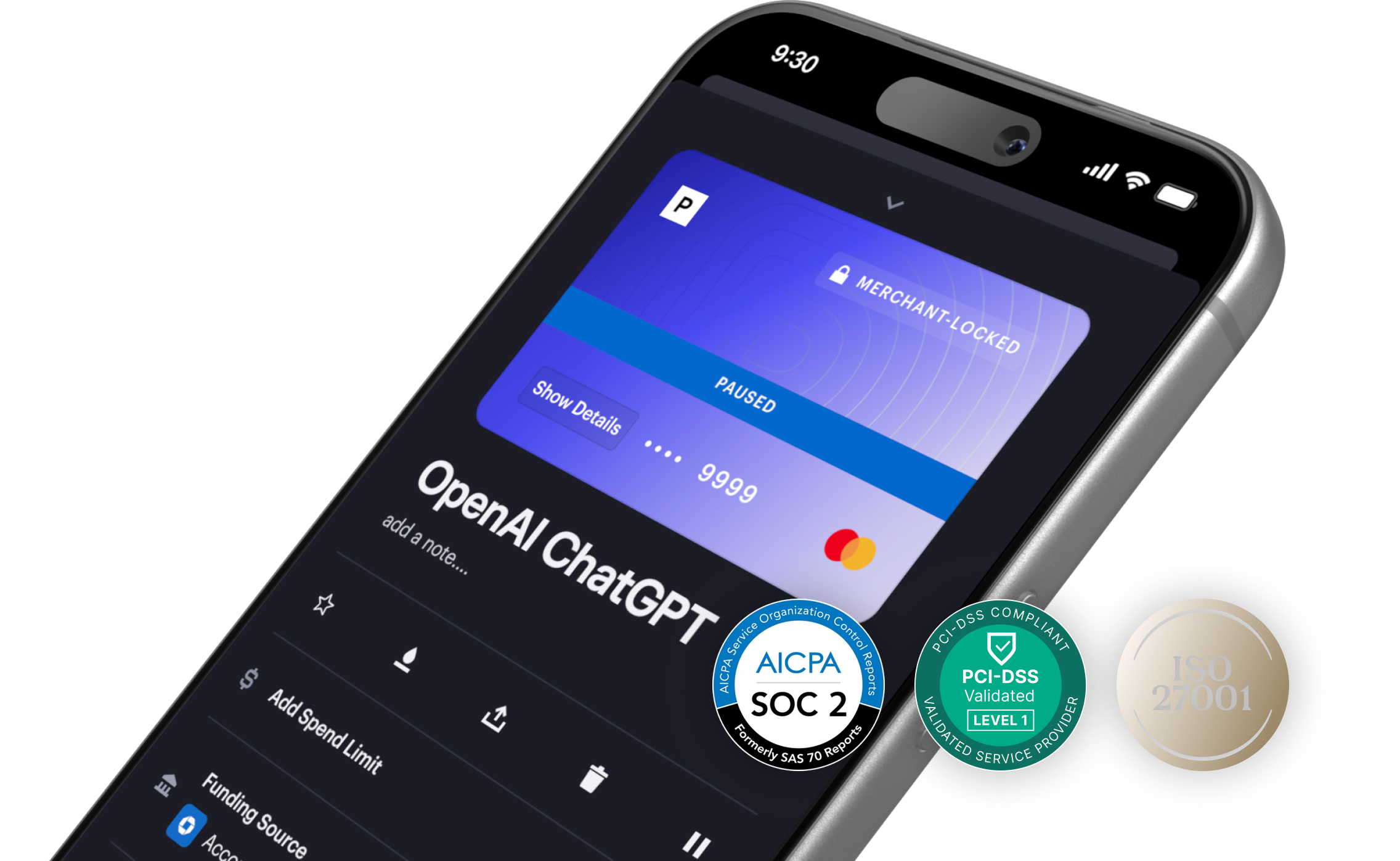
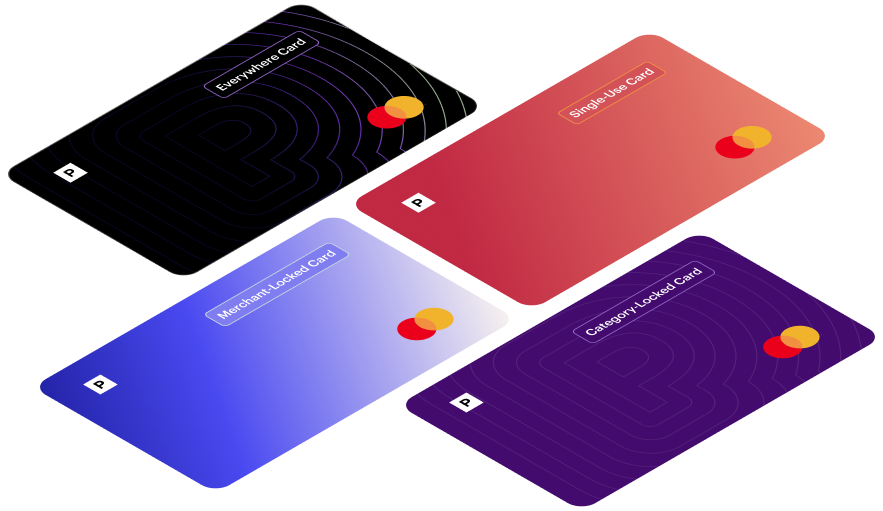
A virtual card can help limit your exposure whenever you shop online, especially while navigating holiday shopping scams. If you use your real card at a fraudulent or compromised store, your card number could be stolen and used elsewhere. With a merchant-locked virtual card, the store gets a unique card number that only works with that merchant and that you can pause or close at any time. Your actual bank account or debit card details stay private.
A virtual card protects your payment details. For the rest, use a different email address for each store (an email alias) and a password manager or passkeys so you never reuse a password. This way, each store has an email address, a password and a card number that you only use with that store. If the store is involved in a breach, the information that gets out leaves you less vulnerable.
What to do if you've been scammed
If you suspect you've fallen victim to a scam, it's important to act quickly:
- Stop further charges. If you paid with a Privacy Card, pause or close it and contact Privacy support about the transaction. If you paid with another card, contact your bank or card issuer to dispute the charge and request a new card number.
- Report the scam. File a report with the FTC at ReportFraud.ftc.gov and, for online fraud, with the FBI at ic3.gov.
- Keep records. The order confirmation, receipts, screenshots of the listing and any messages may be needed to process your dispute.
- Watch your statements. Stolen card details are often tested with a small charge first. Here is how to check whether your card has been compromised.
- Be wary of follow-up contact. Calls or messages offering to recover your money are often a second scam.
Shop with confidence this holiday season
Holiday shopping scams in 2026 are harder to recognize by appearance, so the reliable checks are about source and control: find the store yourself, check who is behind it, confirm messages at the source, and pay with a card number you can limit and close.