What Is Incogni? How the Data Removal Service Works

Incogni is a subscription data removal service that sends opt-out and deletion requests to data brokers on your behalf, then keeps re-sending them so your information doesn't quietly reappear. Owned by Surfshark, it automates the slow, repetitive work of contacting hundreds of brokers one by one. This guide explains how Incogni data removal works, what it covers, how effective it is, and what it costs, so you can decide whether it fits.

What is Incogni?
Incogni is an automated personal information removal service built by Surfshark, the company behind the Surfshark VPN. It launched in 2022 and works on a subscription model: you sign up, tell it who you are, and it handles opt-out requests to data brokers and people-search sites on your behalf.
The service exists because doing this yourself is tedious. There are hundreds of data brokers, each with its own opt-out process, and they frequently re-list your information after you've had it removed. Incogni's removal requests are legally backed by privacy laws like the GDPR and CCPA, which give it standing to demand deletion. Its removal volume and success rate have been independently verified by the auditing firm Deloitte.
How Incogni works
Incogni data removal works by identifying which data brokers likely hold your information, sending each one a removal request, and then resubmitting those requests on a recurring cycle. After you sign up and provide your details, the service cross-references its broker list against your information and begins filing opt-outs automatically.

Because brokers often re-list data they previously deleted, one-time removal doesn't hold. Incogni resends requests to public data brokers roughly every 60 days and to private ones every 90 days, and it only stops following up when a broker confirms it has suppressed your file for good. A dashboard shows you which brokers were contacted and the status of each request. Initial results typically appear within 30 to 45 days, since most brokers have that long to respond to an opt-out under applicable law.
What Incogni covers
Incogni data removal covers data brokers and people-search sites, with the exact scope depending on which plan you choose. The two tiers differ mainly in whether removals are limited to Incogni's automated broker list or extend to custom targets you specify.
Data brokers and people-search sites
On its standard plan, Incogni sends automated removal requests to more than 420 data brokers, including people-search sites like Spokeo, Whitepages, and BeenVerified, along with marketing databases that sell your information for targeted advertising. This automated list is the core of the service and is included no matter which plan you're on.
Standard vs. Unlimited plans
The Standard plan handles the automated 420+ broker list. The Unlimited plan adds Custom Removals, a feature introduced in 2025 that lets you submit links to specific sites outside the standard list, which Incogni's specialists then work to remove by hand. Unlimited suits people with a larger public footprint, such as executives or journalists, whose data appears on niche sites the automated list doesn't reach.
What Incogni cannot remove
Incogni cannot remove everything. Content you posted yourself, social media accounts, public forums, court records, government-site records, and news publications generally stay up, because they fall outside data broker databases or are legally protected. Data removal reduces your exposure on the brokers that compile and sell profiles; it does not erase your entire online presence. For the pieces Incogni doesn't touch, our guide on how to remove personal information from the internet covers the manual steps.
How effective is Incogni?
Incogni data removal is effective relative to its competitors, though no data removal service removes everything. In an independent peer-reviewed study published at the 2025 Privacy Enhancing Technologies Symposium, Incogni achieved the highest removal success rate of the services tested, at 76.6% of records removed per participant, compared with a 48.2% average across all services studied.
That figure deserves context. The same study found data removal services are relatively inefficient as a category, removing under half of records on average within a one-month subscription, and real-world effectiveness reported by individual reviewers varies. Incogni was the best performer in that study, and it is the first data removal service to have its numbers verified by Deloitte, but "best in class" here still means a meaningful share of records remain. Treat it as a tool that reduces exposure substantially over time, not one that guarantees removal.
How much Incogni costs
Incogni's standard individual plan starts around $7.99 per month billed annually, which works out to roughly $95.88 per year. Billed monthly, the same plan costs about $15.98, so the annual commitment roughly halves the monthly rate. There is no free trial, but every plan carries a 30-day money-back guarantee.
Beyond the individual Standard plan, Incogni offers an Unlimited tier with Custom Removals at a higher price, and Family plans that cover up to five people at a lower per-person cost. Because pricing shifts with promotions, check Incogni's pricing page for the current figure before subscribing.
Who Incogni is for
Incogni fits people who understand that their data is spread across broker sites and want a hands-off way to get it removed without filing opt-outs themselves. If you've ever searched your own name and found your address and phone number on a people-search site, Incogni automates the work of getting those listings taken down and keeping them down.
It's less suited to someone looking for a broader security bundle. Incogni does one thing: broker removal. It doesn't include dark web monitoring, credit monitoring, identity theft insurance, or a VPN, so if you want those, a more comprehensive service or a separate tool makes more sense. The narrow focus is the point, and it's why Incogni tends to cost less than all-in-one identity suites.
Frequently asked questions
Is Incogni legit?
Yes, Incogni is a legitimate service. It's owned by Surfshark, an established privacy company, and it's the first data removal service to have its removal volume and success rate independently verified by the auditing firm Deloitte. Its removal requests are legally backed by privacy laws like the GDPR and CCPA, which give it standing to demand your data be deleted.
Is Incogni worth it?
Incogni data removal is worth it if you want automated, ongoing removal of your information from data brokers and would rather not file hundreds of opt-out requests yourself. At around $7.99 per month annually, it's among the more affordable options. It's less worth it if you need dark web monitoring, identity insurance, or credit monitoring, since Incogni doesn't include those.
Can I remove my data from brokers myself for free?
Yes, you can opt out of data brokers yourself at no cost, since most are legally required to offer opt-out forms. The catch is scale and persistence: there are hundreds of brokers, each with its own process, and they frequently re-list your data, so manual removal is time-intensive and never truly finished. Our guide on how to remove yourself from data broker sites walks through the manual process. Services like Incogni automate that repetition rather than doing anything you legally couldn't do yourself.
What Incogni doesn't cover
If you're only worried about data removal, Incogni is a reliable tool to get you there. However, by design it doesn't address the other ways your information leaks in the first place, like malware, weak passwords, and payment exposure. If you want more comprehensive preventive measures, you may want to consider a personal information management service that wraps many of these tools into one, like Aura or Norton LifeLock. If you'd rather address these individually, you may want to look into a VPN, password manager, virtual card provider, etc.
How virtual cards close one gap
Virtual cards come with unique card numbers that act as a stand-in for your real payment card numbers. These numbers keep your real payment information hidden from anyone who might intercept the transaction or breach the merchant storing it. Some banks issue virtual card numbers, though availability, controls, and merchant support vary, so it's worth checking what your bank offers before relying on it.
Providers like Privacy let you create virtual cards customized to your spending preferences, and work on top of your existing bank account. When you create a Privacy account, you link it to a funding source—either a bank account or a debit card—and then generate virtual cards you can use with most merchants that accept Mastercard payments.

Privacy card types
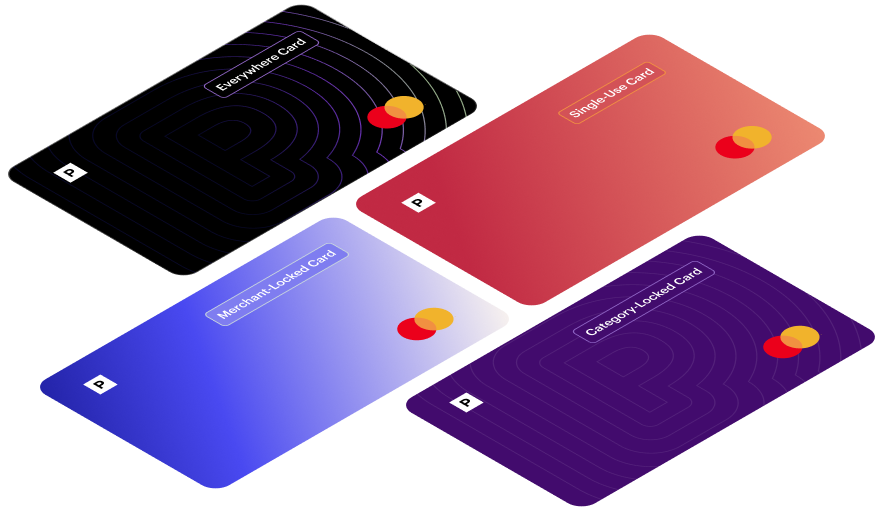
Privacy offers four types of virtual cards, each suited to a different kind of spending:
On every card, you can set a spending limit and automatically decline any transaction that exceeds it. You can also pause or close a card at any time, which stops additional charges from going through—including charges from subscriptions you're trying to cancel.
How to get started with Privacy
To sign up for Privacy, you must be a U.S. citizen 18 or older with a valid checking account at a U.S. bank or credit union. From there, creating your first card takes four steps:
- Create a Privacy account.
- Provide the required KYC (Know Your Customer) information.
- Link your account to a funding source.
- Generate your virtual card.
Privacy offers four plans at different spending levels: